
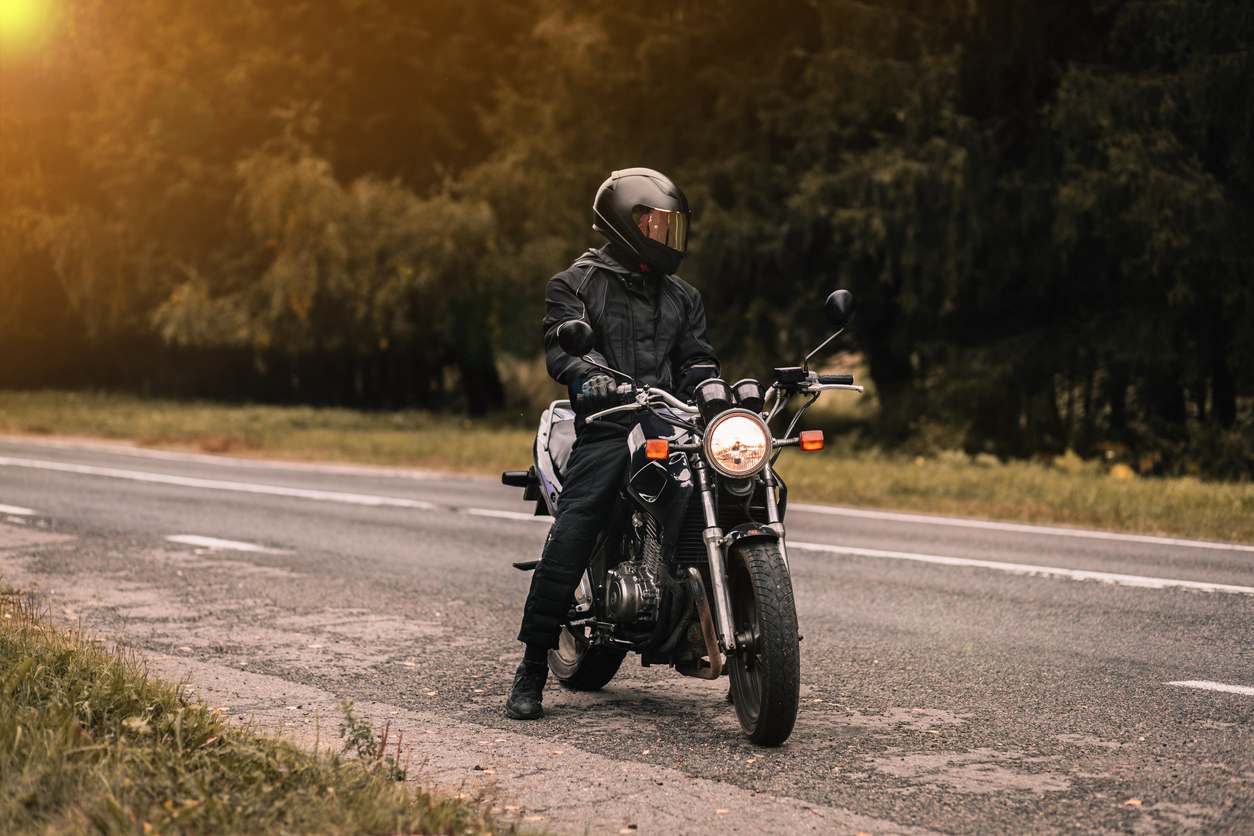
Motorcycles offer a unique sense of freedom and excitement, but they also require riders to accept a higher level of risk than occupants of passenger vehicles. While no motorcycle is completely safe, some types are generally considered safer than others due to their design, handling characteristics, and safety features.
Understanding the Main Types of Motorcycles
Not all motorcycles are designed for the same purpose. Some prioritize comfort, while others focus on speed, performance, or long-distance travel.
The most common types of motorcycles include:
- Standard motorcycles: Versatile bikes designed for everyday riding that typically feature an upright seating position and balanced handling
- Touring motorcycles: Larger motorcycles built for long trips, often equipped with storage compartments, wind protection, and comfort features
- Adventure motorcycles: Bikes designed for both paved roads and light off-road riding
- Cruisers: Motorcycles known for their low seat height, relaxed riding position, and classic styling
- Sport bikes: High-performance motorcycles designed for speed, acceleration, and sharp cornering
Each category offers a different riding experience, which can influence how easy a motorcycle is to control and how forgiving it is when mistakes happen.
What Safety Features Make a Motorcycle Safer?
Modern motorcycles often feature technology that helps riders avoid accidents or maintain control in emergencies.
Some of the most important motorcycle safety features include:
- Anti-lock braking systems (ABS)
- Traction control
- Stability control systems
- Cornering ABS
- LED headlights and daytime running lights
- Tire pressure monitoring systems
These features can help riders maintain control during sudden braking, poor weather conditions, or unexpected road hazards. However, technology cannot replace safe riding habits and proper training.
Which Type of Motorcycle Is Generally Considered the Safest?
Many motorcycle safety experts consider standard motorcycles to be among the safest options for the average rider. They provide a combination of manageable power, comfortable ergonomics, and predictable handling that can help riders maintain control in a variety of situations.
Adventure motorcycles are also frequently regarded as safe because they offer an upright riding position and excellent visibility.
Touring motorcycles can be safe as well, particularly for experienced riders, because they often include advanced safety technology and are designed for stability on longer rides.
Rather than focusing solely on a specific category, riders should look for a motorcycle that feels comfortable and easy to handle. In many cases, the safest motorcycle is the one that matches a rider’s experience level and allows them to ride confidently.
Which Motorcycles Tend to Be More Dangerous?
Certain motorcycles can be more difficult to operate safely, especially for newer riders. Sport bikes, for example, are built for performance and often feature powerful engines capable of rapid acceleration. While experienced riders may enjoy these capabilities, they can be overwhelming for someone still developing their riding skills.
Heavier motorcycles can also create challenges. Large cruisers and touring motorcycles may be harder to maneuver in traffic, parking lots, and other low-speed environments.
That doesn’t mean these motorcycles are inherently unsafe. However, riders who choose a motorcycle with more power or weight than they can comfortably manage may face a greater risk of losing control or being involved in an accident.
What Is the Safest Motorcycle for Beginners?
Most rider training organizations recommend that beginners start with a mid-sized standard motorcycle.
A beginner-friendly motorcycle should offer:
- Manageable power
- Predictable handling
- Comfortable ergonomics
- Reasonable weight
- Modern safety features such as ABS
Starting with a motorcycle that is easy to control allows new riders to focus on developing safe riding habits and building confidence. As skills improve, riders can always transition to larger or more specialized motorcycles.
Essential Motorcycle Safety Practices
The type of motorcycle you ride is only one part of the safety equation. Rider behavior plays an even greater role in preventing accidents.
Every rider should:
- Complete a motorcycle safety course
- Wear a DOT-approved helmet
- Use protective riding gear
- Obey traffic laws
- Avoid distracted or impaired riding
- Maintain a safe following distance
- Inspect the motorcycle regularly
Defensive riding is particularly important because many motorcycle crashes involve drivers who fail to see riders. Staying alert, anticipating hazards, and riding within your limits can significantly reduce your risk of an accident.
Contact Chandler Volta Personal Injury Lawyers to Schedule a Free Consultation with a Charlotte Motorcycle Accident Attorney
No motorcycle is completely risk-free, but standard motorcycles are often considered the safest choice for most riders due to their balanced handling and manageable power. Ultimately, choosing a motorcycle that matches your experience level and practicing safe riding habits can help reduce your risk and make every ride safer.
For more information, contact an experienced motorcycle accident lawyer at Chandler Volta Personal Injury Lawyers to schedule a free consultation.
We proudly serve clients in Charlotte, NC, Mecklenburg County, and its surrounding areas:
Chandler Volta Personal Injury Lawyers
1244 East Blvd, Charlotte, NC 28203
(704) 980-9999
24/7