
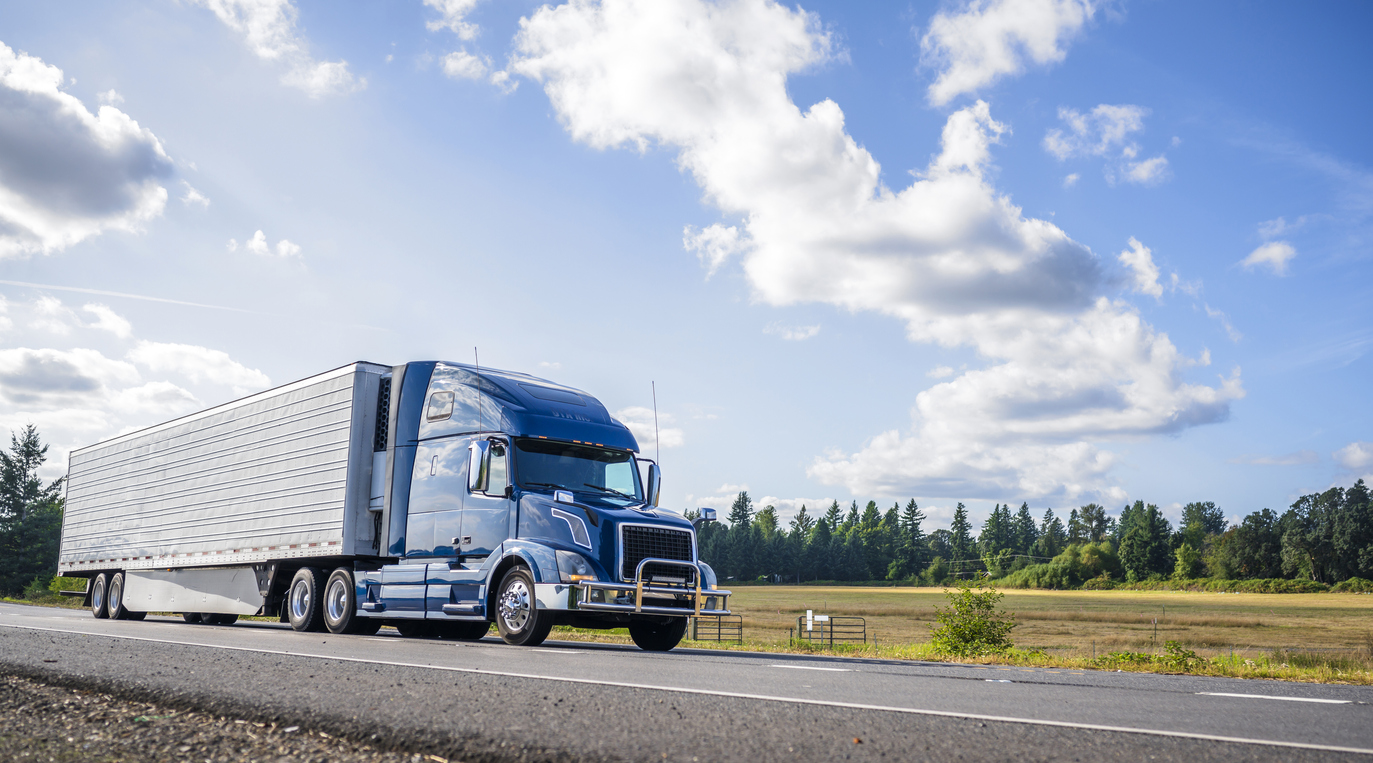
Commercial trucks and buses are a constant presence on roads throughout Charlotte and across North Carolina. Because these vehicles are larger, heavier, and more difficult to operate than passenger cars, drivers must meet higher licensing standards before getting behind the wheel. Truck accident lawyers often examine licensing requirements when investigating crashes involving commercial vehicles.
Understanding the different types of commercial driver’s licenses (CDLs) can be useful for motorists, employers, and anyone involved in a collision with a commercial vehicle. This overview explains the main CDL classifications, what they allow drivers to operate, and why these distinctions matter under North Carolina law.
What Is a Commercial Driver’s License?
A commercial driver’s license is a special license required to operate certain vehicles for business or commercial purposes. While CDLs are governed by federal safety standards, each state—including North Carolina—administers its own testing, licensing, and enforcement process.
The class of CDL a driver holds determines the size and type of vehicle they are legally permitted to operate. Drivers must also meet medical, training, and testing requirements before receiving or renewing a CDL.
Class A Commercial Driver’s License
A Class A CDL allows drivers to operate the largest commercial vehicles on the road. These vehicles typically involve towing heavy trailers or transporting large loads across long distances.
Vehicles that generally require a Class A CDL include:
- Tractor-trailers and semi-trucks
- Tanker trucks
- Livestock carriers
- Flatbed trucks hauling heavy trailers
In most cases, a Class A CDL is required when the combined weight of the vehicle and trailer exceeds 26,001 pounds, and the trailer alone weighs more than 10,000 pounds.
Class B Commercial Driver’s License
A Class B CDL is required to operate heavy vehicles that do not involve towing large trailers. These vehicles are often used for local deliveries or passenger transportation.
Examples of vehicles that may require a Class B CDL include:
- Straight trucks
- Dump trucks with small trailers
- City buses and school buses
- Large box trucks
A Class B CDL typically applies when a single vehicle weighs more than 26,001 pounds, or when towing a trailer that does not exceed 10,000 pounds.
Class C Commercial Driver’s License
A Class C CDL applies to smaller commercial vehicles that transport passengers or hazardous materials. Vehicle size is less important for this class than the type of cargo or the number of passengers.
Vehicles that may require a Class C CDL include:
- Passenger vans designed to carry 16 or more people, including the driver
- Small passenger buses
- Vehicles transporting hazardous materials that require placarding
Although these vehicles are smaller, improper operation can still pose serious safety risks.
CDL Endorsements and Restrictions
In addition to CDL classes, many drivers must obtain endorsements to operate certain vehicles or carry specific cargo. Endorsements require additional knowledge tests and, in some cases, skills testing.
Common CDL endorsements include:
- T – Double or triple trailers
- P – Passenger vehicles
- N – Tank vehicles
- H – Hazardous materials
- S – School buses
CDLs may also include restrictions that limit how or when a driver can operate a vehicle. These details can be important when evaluating compliance with licensing requirements.
Why CDL Classifications Matter After a Truck Accident
After a commercial vehicle crash, a driver’s CDL class and endorsements are often closely reviewed. Operating a vehicle without the proper license or endorsement may indicate a violation of safety regulations.
CDL information can help determine:
- Whether the driver was legally qualified to operate the vehicle
- Whether licensing violations—such as drug or alcohol use—may have contributed to the crash
- Whether additional parties, such as employers, may share responsibility
These issues can significantly affect how a commercial vehicle accident claim is evaluated.
How North Carolina Regulations Affect CDL Holders
North Carolina imposes additional responsibilities on CDL holders beyond those applied to non-commercial drivers. CDL holders are subject to stricter medical certification rules, lower allowable blood alcohol limits, and ongoing compliance requirements.
Failure to meet these standards can result in license suspension or disqualification. These heightened rules are one reason crashes involving commercial vehicles are often more complex than ordinary traffic accidents.
Contact the Charlotte Truck Accident Lawyers at Chandler Volta Personal Injury Lawyers for a Free Consultation Today
If you were injured in an accident involving a commercial vehicle in Charlotte, NC, understanding CDL requirements may be an important part of evaluating what happened. At Chandler Volta Personal Injury Lawyers, our attorneys have 32 years of combined experience and have recovered over $35 million for accident victims.
For more information, contact an experienced truck accident lawyer at Chandler Volta Personal Injury Lawyers to schedule a free consultation.
We proudly serve clients in Charlotte, NC, Mecklenburg County, and its surrounding areas:
Chandler Volta Personal Injury Lawyers
1244 East Blvd, Charlotte, NC 28203
(704) 980-9999
24/7