
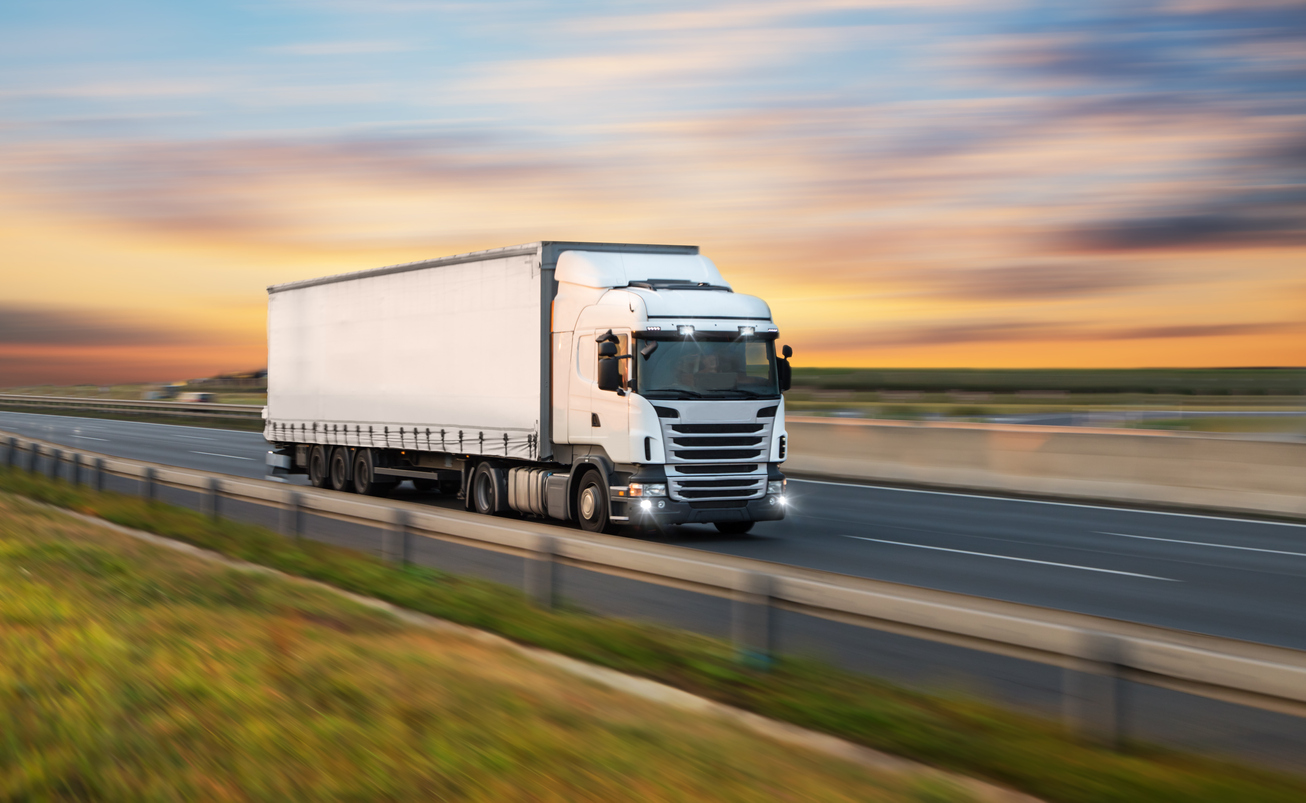
If you’ve ever driven on a North Carolina highway, you’ve probably shared the road with large commercial trucks. These vehicles are essential to the economy, but they also bring a unique set of risks – especially when it comes to speed.
So how fast can commercial trucks safely travel? The answer isn’t just about what the speed limit says. It’s about what is reasonable, safe, and lawful under the conditions.
Speed Limits for Commercial Trucks in North Carolina
In North Carolina, commercial trucks are generally subject to the same posted speed limits as passenger vehicles. On many highways, that means speeds of:
- 65 to 70 miles per hour on interstates and major highways
- Lower speeds in urban areas or construction zones
Unlike some states, North Carolina does not always set separate lower speed limits specifically for trucks. However, that doesn’t mean trucks can safely – or legally – travel at the same speeds as smaller vehicles in every situation.
Why “Safe Speed” Isn’t Always the Posted Speed
Even when the speed limit allows it, commercial trucks must operate at a speed that is safe for the conditions.
That includes adjusting for:
- Traffic congestion
- Weather conditions (rain, fog, or ice)
- Road design (curves, hills, or narrow lanes)
- The weight of the load being carried
Under North Carolina law, drivers must reduce speed when conditions make it unsafe to travel at the posted speed limit.
For a fully loaded tractor-trailer, stopping distances are much longer than for a passenger car. That means a speed that is technically legal may still be too fast to be safe.
Why Speeding Is Especially Dangerous for Commercial Trucks
Speeding – or even driving too fast for conditions – is one of the leading causes of serious truck accidents. Here’s why speed is such a critical factor:
- Reduced control: Higher speeds make it harder for truck drivers to safely maneuver large vehicles, especially in traffic, around curves, or during emergencies.
- Longer stopping distances: Fully loaded commercial trucks can weigh up to 80,000 pounds. At high speeds, they may require hundreds of feet to come to a complete stop.
- Greater impact force: The faster a truck is traveling, the greater the force of impact in a collision. This often leads to severe or catastrophic injuries.
- Driver fatigue risks: Fatigue can already slow a truck driver’s reaction time. When combined with speeding, the likelihood of a serious crash increases even more.
Because of the size and weight of commercial trucks, speeding-related accidents are often catastrophic.
Common Types of Truck Accidents Related to Speed
When trucks travel too fast for conditions, several types of accidents are more likely to occur:
- Rear-end collisions: When a truck cannot stop in time.
- Jackknife accidents: Where the trailer swings out of alignment.
- Rollover crashes: Which may occur on curves or ramps.
- Multi-vehicle pileups: These crashes involve several cars.
These accidents are often catastrophic due to the size and weight of commercial trucks.
Who May Be Liable in a Truck Accident?
Truck accident cases are often more complex than standard car accidents because multiple parties may share legal liability, including:
- The truck driver: If the driver was speeding, distracted, or failed to adjust for conditions, they may be directly liable.
- The trucking company: The company that employs the driver may be responsible if it encouraged unsafe practices, failed to properly train drivers, or imposed unrealistic delivery deadlines.
- Maintenance providers: If a mechanical issue (like brake failure) contributed to the accident, the company responsible for maintaining the truck may share liability.
- Cargo loaders: Improperly loaded cargo can affect a truck’s balance and stopping ability.
Determining liability often requires a detailed investigation into how the accident occurred. Complex cases may even require expert analysis to determine the root cause.
Contact Chandler Volta Personal Injury Lawyers To Schedule a Free Consultation With a Charlotte Truck Accident Attorney
Commercial trucks can legally travel at highway speeds in North Carolina. However, that doesn’t always mean it is safe to do so. Because of their size, weight, and stopping distance, trucks must be driven with extra caution. When drivers or companies fail to prioritize safety, the consequences can be devastating.
For more information, contact an experienced truck accident lawyer at Chandler Volta Personal Injury Lawyers to schedule a free consultation.
We proudly serve clients in Charlotte, NC, Mecklenburg County, and its surrounding areas:
Chandler Volta Personal Injury Lawyers
1244 East Blvd, Charlotte, NC 28203
(704) 980-9999
24/7