

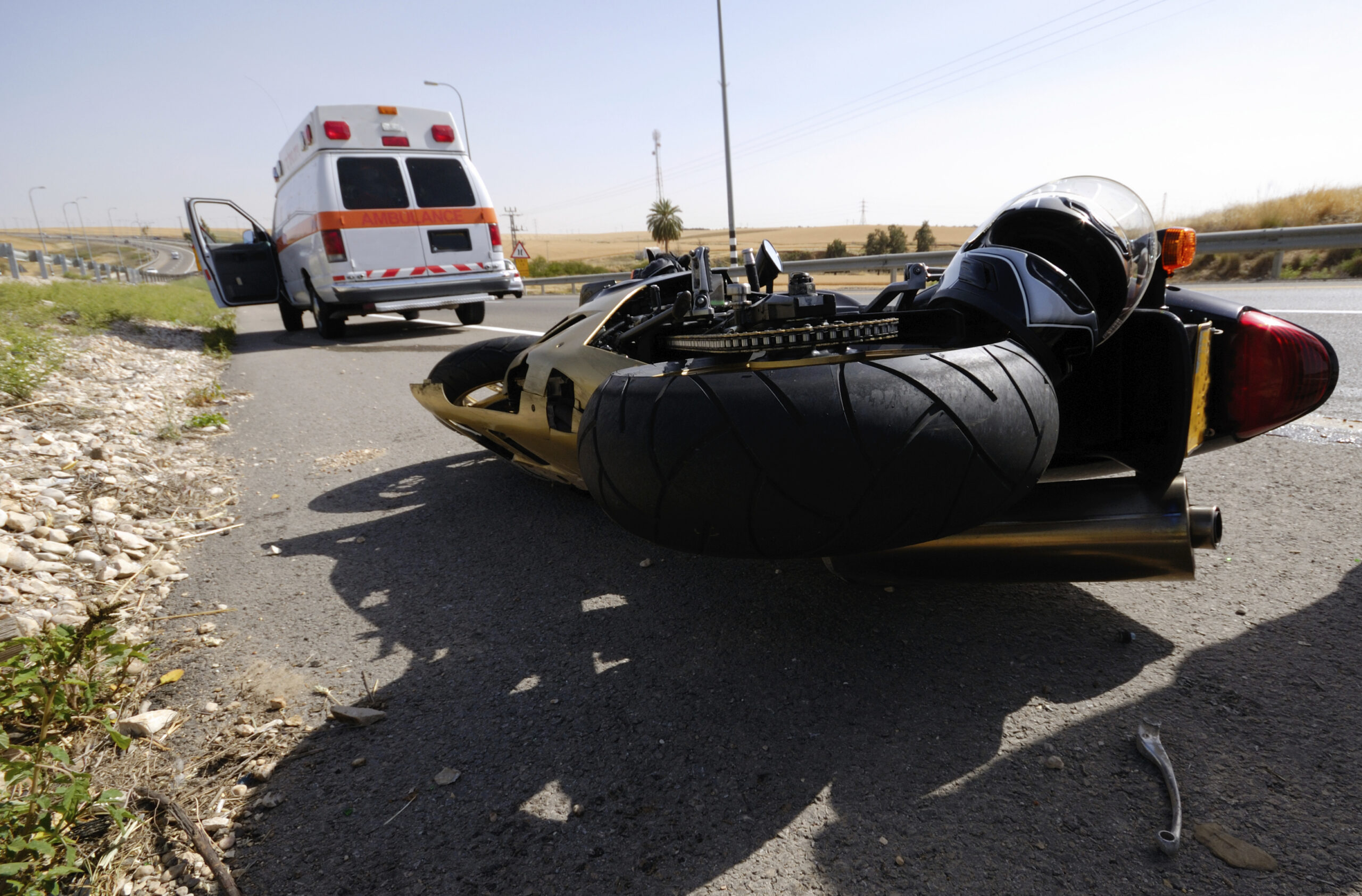
Road rash is a common injury that many people associate with motorcycle accidents, and a motorcycle accident lawyer in Charlotte often sees these injuries in serious crash cases, but it can happen in a wide range of situations. Whether you’re riding a bike, driving a scooter, or involved in a car crash where your skin comes into contact with pavement, road rash can be painful, serious, and sometimes even life-threatening.
Many people also ask, “What is road rash?” and how serious it can become depending on the severity of the injury. Below are important facts about road rash, how it happens, and why it should never be ignored.
What Is Road Rash?
Road rash is a type of skin abrasion injury that occurs when the body scrapes against a rough surface, most often asphalt or concrete. It is similar to a severe scrape, but in many cases, it goes beyond the surface of the skin and damages deeper tissue.
Road rash is most commonly seen in motorcycle accidents because riders have little protection between their skin and the road. However, pedestrians, cyclists, skateboarders, and even drivers or passengers ejected from a vehicle can suffer road rash injuries.
Common Causes of Road Rash
Road rash usually occurs in accidents involving sudden impact and sliding across pavement.
Some of the most frequent causes include:
- Motorcycle crashes
- Bicycle or scooter accidents
- Pedestrian accidents
- Skateboard or rollerblade falls
- Car accidents involving ejection or dragging
- Sports injuries on rough outdoor surfaces
Even low-speed accidents can cause road rash if the skin makes contact with the road.
Degrees of Road Rash Severity
Road rash injuries are generally classified into the following three levels based on depth and tissue damage:
- First-Degree Road Rash. This is the mildest form and affects only the outer layer of skin. It may cause redness, stinging, and minor bleeding.
- Second-Degree Road Rash. This level penetrates deeper into the skin. It can result in significant bleeding, swelling, and risk of infection. Often, debris becomes embedded in the wound.
- Third-Degree Road Rash. This is the most severe type. It destroys multiple layers of skin and may expose muscle, fat, or even bone. Third-degree road rash frequently requires surgical treatment, skin grafts, and long-term medical care.
Recognizing the level of road rash early helps ensure the right treatment is received, reduces the risk of infection or scarring, and supports a safer, faster recovery.
Road Rash Can Lead to Serious Complications
Many people underestimate road rash because it may appear like a “scrape.” However, it can quickly become a serious medical problem.
Potential complications include:
- Infection. Open wounds are vulnerable to bacteria, especially when dirt, gravel, or asphalt particles enter the skin. Infections can become severe if untreated.
- Permanent Scarring. Deep abrasions often leave noticeable scars. These scars may require cosmetic procedures or reconstructive surgery.
- Nerve Damage. In extreme cases, road rash can damage nerves beneath the skin, leading to long-term pain, numbness, or reduced mobility.
- Tattooing. When debris becomes lodged permanently in the skin, it can create dark discoloration known as traumatic tattooing.
- Emotional Trauma. Visible scars, long recovery times, and accident-related stress can affect mental health as well.
Road rash should never be dismissed as a simple scrape, as it can lead to serious and lasting complications if not treated properly. Prompt medical attention and careful wound care are essential to prevent these risks and support a full recovery.
Treatment for Road Rash
Proper treatment depends on the severity of the injury. Mild cases may be treated at home, while severe cases require emergency medical attention.
Common treatments include:
- Cleaning and disinfecting the wound thoroughly
- Removing embedded debris
- Applying antibiotic ointment
- Covering with sterile bandages
- Pain management
- Tetanus shot if needed
- Skin grafts for deep wounds
- Follow-up care to prevent infection and scarring
Seeking medical evaluation is important, especially if the rash covers a large area or shows signs of infection.
Preventing Road Rash
While accidents can’t always be avoided, the following protective measures can significantly reduce the risk of road rash:
- Wearing motorcycle protective gear and helmets
- Using gloves, long pants, and jackets when biking or skating
- Following traffic laws and riding defensively
- Avoiding distracted driving
- Staying alert for hazards such as loose gravel or wet roads
Protective clothing is often the difference between a minor injury and a life-altering one.
Contact the Charlotte Motorcycle Accident Attorneys at Chandler Volta Personal Injury Lawyers for a Free Consultation
Road rash is more than just a scrape—it can be a serious injury with lasting physical, emotional, and financial consequences. Understanding road rash helps victims recognize when medical care is necessary and how important recovery and prevention can be.
For more information, contact an experienced motorcycle accident lawyer at Chandler Volta Personal Injury Lawyers to schedule a free consultation.
We proudly serve clients in Charlotte, NC, Mecklenburg County, and its surrounding areas:
Chandler Volta Personal Injury Lawyers
1244 East Blvd, Charlotte, NC 28203
(704) 980-9999
24/7