

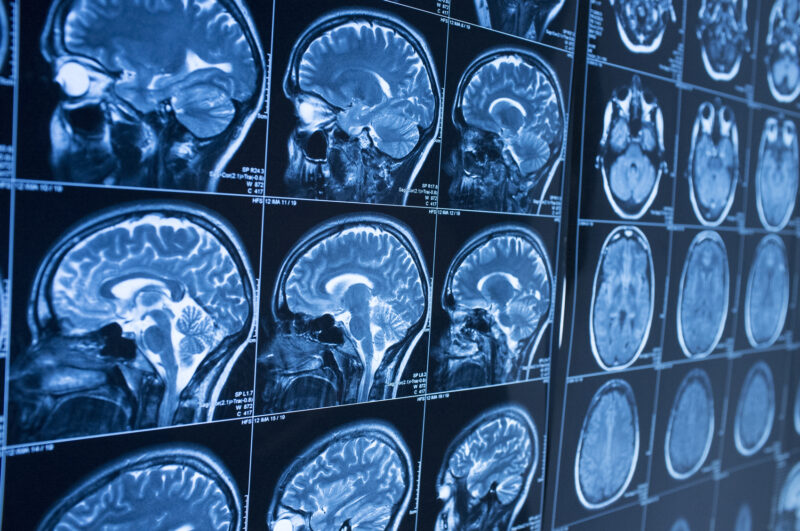
If you or a loved one has suffered a traumatic brain injury (TBI) in Charlotte, NC, you may have heard the term “Glasgow Coma Scale” (GCS) mentioned by doctors or attorneys. This scale is a critical tool used by medical professionals to assess the severity of brain injuries.
It can also play a significant role in determining the value of a brain injury case. Understanding the GCS can help you better navigate both medical treatment and personal injury claims in North Carolina.
Understanding the Glasgow Coma Scale
The GCS is a standardized neurological tool developed about five decades ago by doctors Bryan Jennett and Graham Teasdale at the University of Glasgow. It is used to assess a person’s level of consciousness after a brain injury.
The GCS evaluates three key areas:
- Eye opening: How well a person can open their eyes in response to stimuli.
- Verbal response: The clarity and appropriateness of a person’s speech.
- Motor response: How well a person can move in response to commands or pain.
Doctors may use the scale to evaluate brain injuries after car accidents, falls, and other traumatic events.
Glasgow Coma Scale Scoring
Each category is scored, and the total GCS score ranges from 3 (no response) to 15 (fully alert). A higher score indicates a higher level of consciousness and less severe injury. Generally, scores between 13 and 15 indicate mild brain injury. Moderate brain injuries fall between 9 and 12 on the GSC. Scores between 3 and 8 indicate severe brain injury.
While the GCS is a valuable tool, it has limitations. Factors such as pre-existing conditions, sedation, intubation, or other injuries can affect the accuracy of the score. Additionally, the GCS is not designed to rule out mild traumatic brain injuries, as many concussion patients may have a score of 15 at the time of assessment.
Why Is the Glasgow Coma Scale Important in Brain Injury Cases?
In Charlotte, NC, the GCS score is not only vital for immediate medical treatment but also for legal cases involving brain injuries.
Document the Severity of the Brain Injury
A low GCS score can serve as objective evidence of the seriousness of a brain injury at the time of the accident. However, it is essential to remember that even a mild TBI or concussion is serious. Even mild brain injuries can result in significant damages in a personal injury case.
Some brain injuries can worsen over time, requiring the person to be re-evaluated by a medical professional. Do not hesitate to report new or worsening symptoms immediately to your doctor and talk with a personal injury lawyer.
Support Claims for Compensation
A lower GCS may be used to seek higher compensation for medical bills, lost wages, pain and suffering, and other damages. Generally, the amount of economic damages (i.e., medical bills and lost wages) increases with the severity of a brain injury. It costs more to treat traumatic brain injuries, and the person may have higher losses because of a longer recovery.
Furthermore, severe brain injuries could result in permanent impairments. Disabilities can lead to increased financial losses and non-economic damages, including pain and suffering, emotional distress, and diminished quality of life.
Legal Implications in North Carolina Brain Injury Claims
In North Carolina, personal injury law requires plaintiffs to prove negligence and the extent of damages. The GCS score can be a key piece of evidence in demonstrating the severity of a brain injury.
However, it’s important to note that the GCS score alone does not determine the outcome of a case. Other factors, such as medical records, expert testimony, and the impact of the injury on the victim’s life, are also considered.
North Carolina has a strict contributory negligence rule for personal injury claims. If the injured party is found to be even 1% responsible for causing the accident or their injury, they may be barred from recovering any damages. Therefore, having strong evidence, including a documented GCS score, is essential for a successful claim.
Contact a Charlotte Brain Injury Lawyer from Chandler Volta Personal Injury Lawyers for a Free Consultation Today
If you or a loved one has suffered a brain injury, understanding the GCS can help you better navigate the medical and legal process. However, many factors can impact a personal injury claim for a brain injury.
It is best to seek legal advice as soon as possible after an accident. An attorney can help you gather information and evidence to support a claim for maximum compensation. The party that caused your injuries may deny fault. Their insurance provider may allege your brain injury is not as severe as you claim.
For personalized legal advice, contact Chandler Volta Personal Injury Lawyers to discuss your case and explore your options for compensation. Call us today for a free consultation with a Charlotte brain injury attorney.
We proudly serve clients in Charlotte, NC, Mecklenburg County, and its surrounding areas:
Chandler Volta Personal Injury Lawyers
1244 East Blvd, Charlotte, NC 28203
(704) 980-9999
24/7