

Chest Injury

Chest injuries can range from relatively minor bruising to life-threatening trauma affecting the lungs, heart, ribs, and other vital organs. Because the chest protects many of the body’s most important structures, an injury to this area can have serious consequences.
In personal injury cases, chest injuries frequently occur in car accidents, truck accidents, motorcycle crashes, slip and fall accidents, workplace incidents, and other traumatic events. Because the chest contains vital organs, even seemingly minor injuries can lead to serious medical complications that require extensive treatment and rehabilitation.
Understanding Chest Injuries
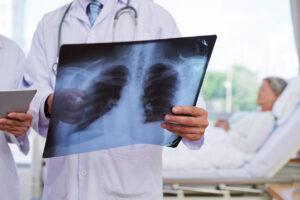
A chest injury is any injury that affects the area between the neck and abdomen. These injuries can involve the bones, muscles, blood vessels, lungs, heart, and other organs located within the chest cavity.
Chest injuries are generally classified as either blunt or penetrating. Blunt chest trauma occurs when a forceful impact damages the chest without breaking the skin. Penetrating injuries occur when an object pierces the chest wall.
What Are Common Chest Injuries?
Chest injuries can range from mild soft tissue damage to severe trauma affecting vital organs. The type of injury often depends on the impact force and the circumstances of the accident.
Some of the most common chest injuries include:
- Broken or fractured ribs
- Sternum (breastbone) fractures
- Bruised ribs or chest muscles
- Pulmonary contusions (bruised lungs)
- Collapsed lungs (pneumothorax)
- Hemothorax (blood collecting around the lungs)
- Internal bleeding
- Damage to the heart or major blood vessels
- Soft tissue injuries
- Crush injuries
Even injuries that initially seem minor can become serious if left untreated. Prompt medical evaluation can help identify hidden injuries and prevent complications.
What Are the Signs and Symptoms of a Chest Injury?
The symptoms of a chest injury can vary depending on the severity and location of the trauma. Common signs and symptoms include:
- Chest pain or tenderness
- Difficulty breathing
- Shortness of breath
- Bruising or swelling
- Pain when coughing, laughing, or taking deep breaths
- Rapid heartbeat
- Dizziness
- Coughing up blood
- Visible deformities in the chest area
- Loss of consciousness in severe cases
Some symptoms may indicate a medical emergency. Difficulty breathing, severe chest pain, or signs of internal bleeding should be evaluated immediately by a healthcare professional.
What Are the Long-Term Consequences of a Chest Injury?
While some people recover fully from chest injuries, others experience lasting complications that affect their quality of life.
Potential long-term consequences include:
- Chronic chest pain
- Reduced lung function
- Breathing difficulties
- Permanent scarring
- Ongoing mobility limitations
- Heart complications
- Nerve damage
- Permanent disability
Severe chest trauma can also lead to emotional challenges, including anxiety, depression, and post-traumatic stress following a serious accident.
How Are Chest Injuries Diagnosed?
Because chest injuries can affect critical organs and structures, doctors often use several diagnostic tools to determine the severity of the damage.
A physician will typically begin with a physical examination and a review of your symptoms and medical history. Depending on the circumstances, additional testing may be necessary.
Common diagnostic methods include:
- Physical examinations
- Chest X-rays
- CT scans
- MRI scans
- Ultrasounds
- Blood tests
- Electrocardiograms (EKGs) to evaluate heart function
These tests can help identify fractures, internal bleeding, lung damage, heart injuries, and other complications that may not be immediately visible after an accident.
How Are Chest Injuries Treated?
Treatment for a chest injury depends on the type and severity of the trauma. While some injuries heal with conservative care, others may require emergency medical intervention or surgery.
Common treatment options include:
- Pain management and medication
- Rest and activity restrictions
- Oxygen therapy
- Physical therapy and rehabilitation
- Chest tube placement to treat a collapsed lung
- Blood transfusions in cases involving significant blood loss
- Surgery to repair damaged organs, blood vessels, or bones
Recovery times vary significantly. Minor injuries may heal within a few weeks, while severe chest trauma can require months of treatment and rehabilitation. Following your doctor’s treatment plan can improve your chances of making a full recovery.
What Compensation Can I Recover for a Chest Injury?
If your chest injury was caused by another party’s conduct or arose under circumstances that give rise to a legal claim, you may be entitled to recover compensation for both financial and personal losses.
Economic damages may include:
- Medical bills
- Future medical expenses
- Lost wages
- Loss of future earning capacity
- Rehabilitation costs
- Out-of-pocket expenses
Non-economic damages may include:
- Pain and suffering
- Emotional distress
- Loss of enjoyment of life
- Physical impairment
- Disfigurement or scarring
The specific damages available in your case will depend on the circumstances surrounding your injury and the losses you have experienced.
Contact Chandler Volta Personal Injury Lawyers to Schedule a Free Consultation With a Charlotte Personal Injury Attorney
Chest injuries can have serious consequences, especially when they affect the lungs, heart, or other vital organs. Understanding the symptoms, treatment options, and potential long-term effects can help you protect your health and make informed decisions after an accident.
If you suffered a chest injury in Charlotte, NC, Chandler Volta Personal Injury Lawyers can help you understand your legal options. Contact us today at (704) 980-9999 to schedule a free consultation with a Charlotte personal injury lawyer.